

The ProgrammeThe WoodlandsLocation MapEventsNewsSchoolsChildrenInteractiveFeedback
The ProgrammeFuelling a Revolution
More information - Lees Hall Wood
  visiting the wood
  landforms, rocks and soils
  history and heritage
» plants and trees
  vegetation
  birds and animals
  educational use
  woodland restoration and
   management work
LEES HALL WOOD - PLANTS AND TREES

TREES
The woodlands of the Gleadless Valley contain a mixture of native and non-native trees. Lees Hall Wood is remarkable in having a greater proportion of semi-natural areas than the other woods in the valley.

Of the native species, Oak is particularly widespread, especially on steep dry slopes and dry areas of flatter ground. Some of the mature Oaks in Lees Hall Wood are multi-stemmed and appear to be growing from large old coppice stools. Ash can be abundant in damper areas of woodland, particularly in valley bottoms and on stream banks. The wettest areas of woodland often have Alder. Other native tree species found in Lees Hall Wood include Birch, Rowan, Wild Cherry, Field Maple and Elm. The latter, though once an important species in the area, has been much reduced in frequency as the result of Dutch Elm Disease and the only Elms found in the canopy are now dead.

The most common non-native trees in the valley's woodlands are Beech and Sycamore. These can be found throughout the woods, although as would be expected, they are particularly associated with planted areas. In Lees Hall Wood, Sycamore is the more frequent of these two species. Some Beech also occurs along with small amounts of Poplar and Larch.

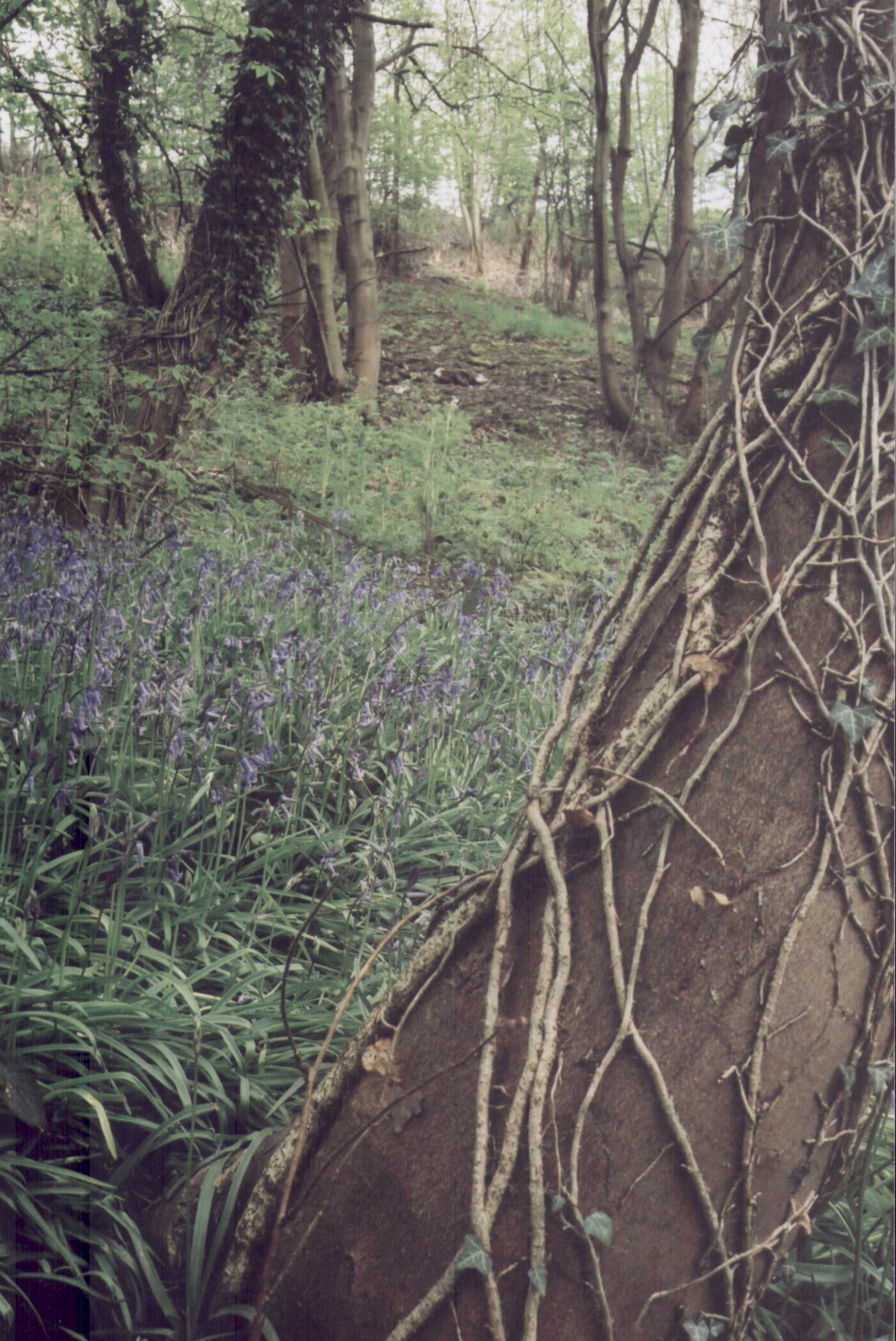
Bluebells in Lees Hall Wood. Bluebells, which are
an 'ancient woodland indicator species' are found extensively in this and other Gleadless Valley woodlands.

SHRUBS
The density of shrub layer varies widely between different parts of the woodlands. It is at its most dense in areas of semi-natural woodland and is much less well developed under planted areas of woodland.

Of the shrubs found in the valley, Hazel is the most widespread. Other shrub species found in Lees Hall Wood include Holly, Guelder Rose and Hawthorn, some of which occurs in old hedges.

WOODLAND GROUND FLORA
Lees Hall Wood supports a rich ground flora. There are 21 plant species characteristic of ancient woodlands, including abundant Bluebell, Sweet Woodruff, Yellow Archangel, Wood Anemone, Wood Sorrel, Ramsons, Golden Saxifrage, Yellow Pimpernel, Broadleaved Helleborine, Wood Melick, Remote Sedge, Great Woodrush and Hairy Woodrush. Other plants, such as Valerian, Meadowsweet, Marsh Woundwort, Marsh Bedstraw, Large Bittercress and Angelica, are associated with the streams and wetland areas within the wood.

MORE INFORMATION
More general information on the plants and trees of the Heritage Woodlands can be found elsewhere on this website.


backBack to Topback